

NoHassle
Well-known member
Who knew!
-------------------------
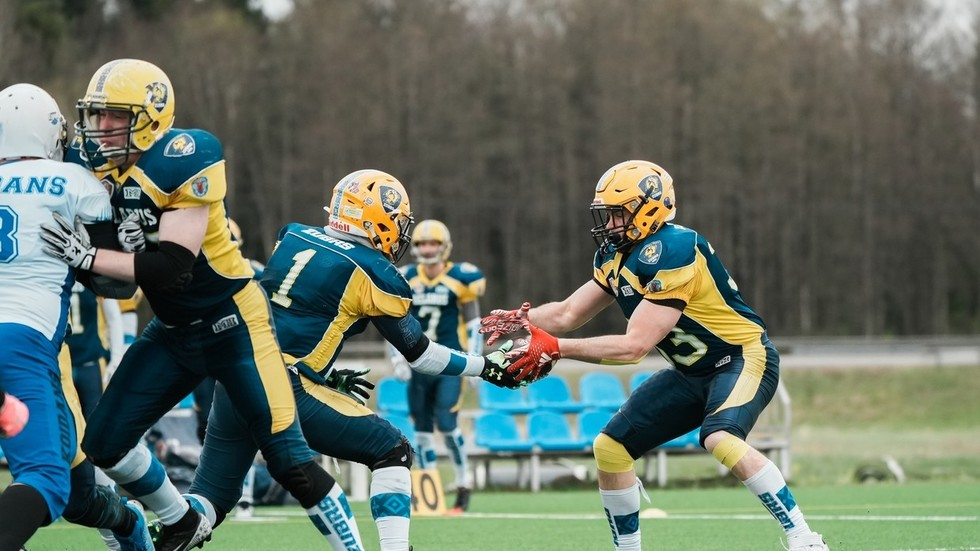
Bison and Hurricanes are normal names for American football teams. How about the Litwins, though? Well, it’s normal if you happen to be in Belarus and in love with the real form of football. This July, the Litwins were crowned league champions after slaughtering the Bison 42-0 in the American Football League 9 Final. But just how is such a foreign sport surviving in a country that most Americans couldn’t find on a map?
The similarities between rugby and American football helped. Many players switched back and forth between the two, getting their fix for hitting people or being hit.
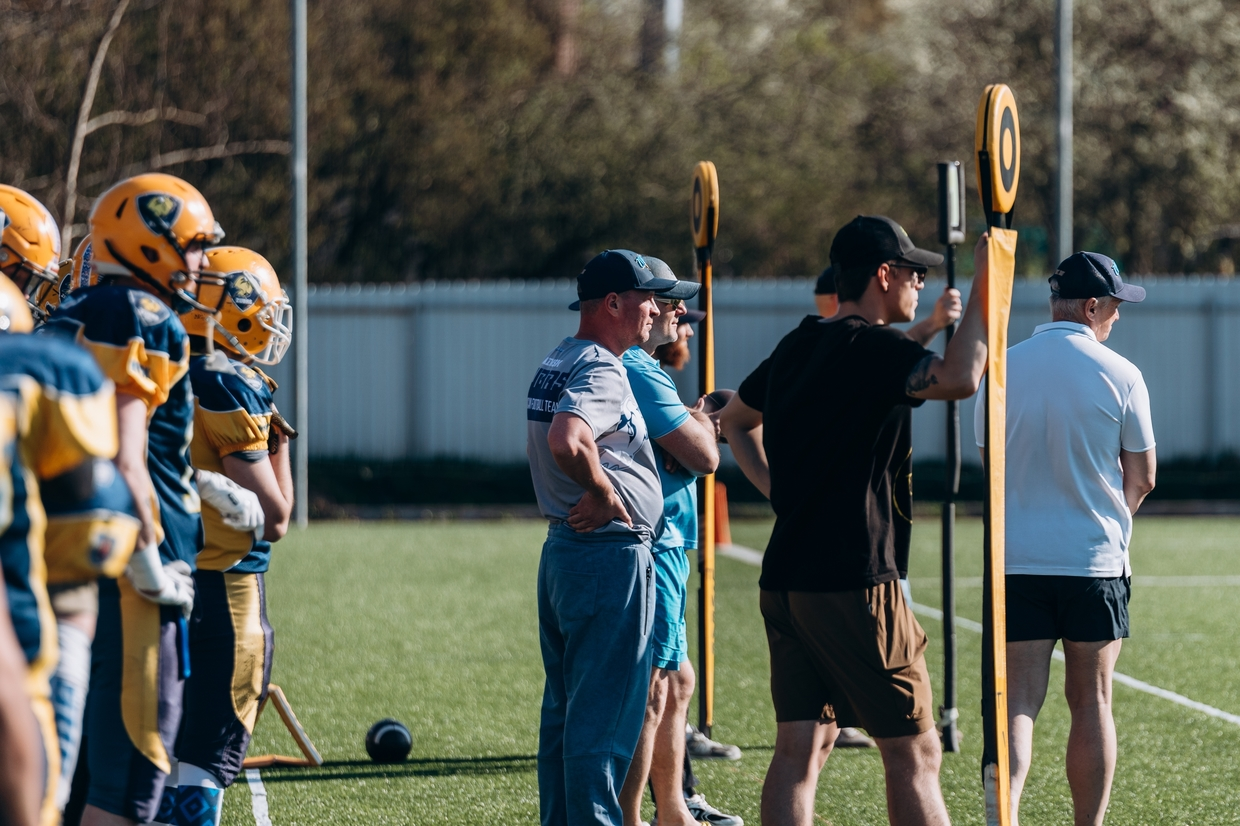
Rumors that the St. Petersburg Griffins and Moscow Dragons might join in 2027 persist, with a fourth club in Belarus also getting a chance to play. The resilient aficionados of American football are determined to not only keep the game alive, but to have it thrive, especially given the obstacles they’ve overcome. But they are less than a minority sport, they are a sport unknown by followers of the game in their own country.
“In Germany, where I lived [Frankfurt], there was an active [football] community and leagues. Europe has a lot of Americans who join in and coach. But here, we have to do our best. For those of us who lived outside and felt it, it gives us something to believe in and that we’re part of a big world. And those who love the game but don’t involve with us, it’s their loss.”
This May, on a warm Sunday afternoon, I was passing through Minsk and decided to take in the Hurricanes-Patriots game. The visitors from Moscow had a couple of familiar faces, ones I knew from playing rugby in Russia. On the go since 1999, they have been champions of Russia on at least 15 occasions and comport themselves like professionals.
Despite being formed just last year, the Hurricanes put on a show to thrill a decent home crowd, blowing away the Russians in 66-36. I asked some of the spectators what they thought. “It’s my first game live and I loved it. It makes [association] football look like little girls playing,” said Galina, a language student who was going to the US on an exchange program this past summer.
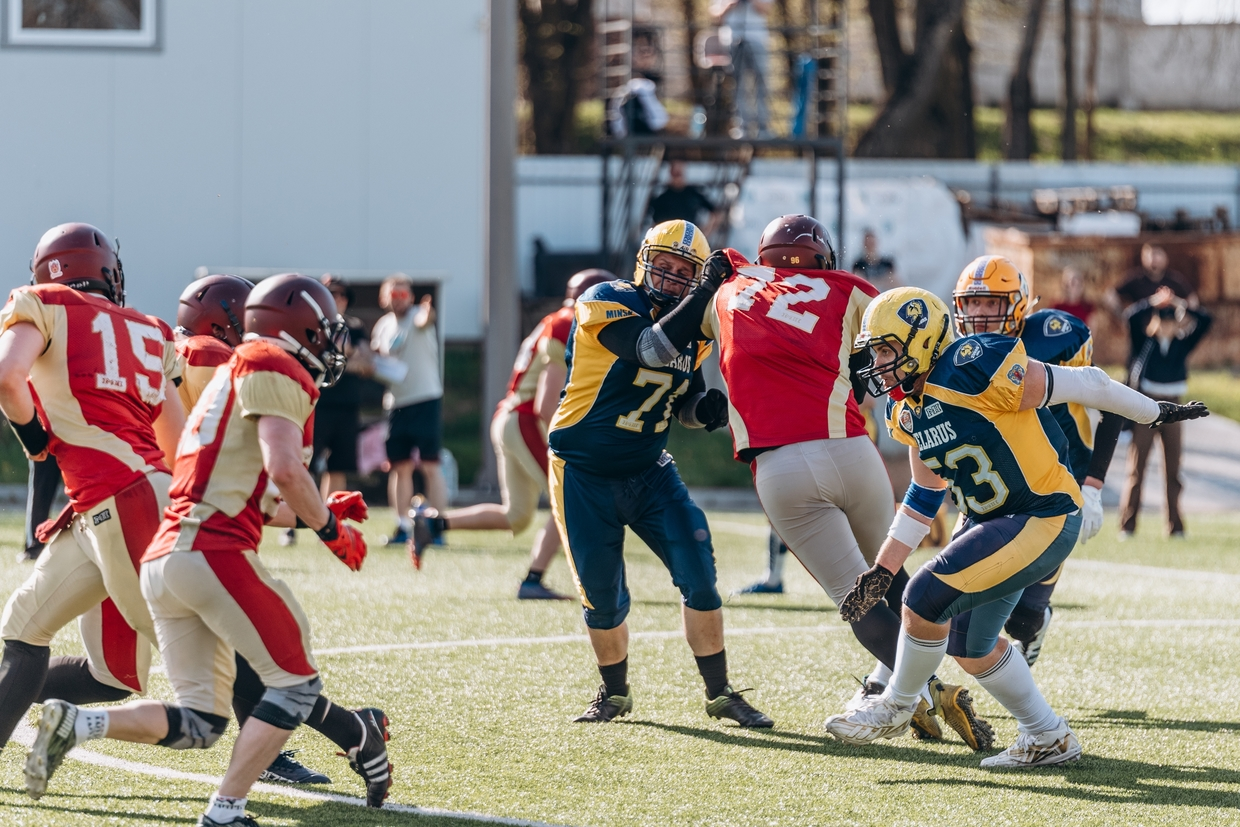
Speaking with some of the visiting players afterwards, I asked how difficult it’s been for them since 2022. Yuri, a versatility player who can play both ways, laughed and said that the game is what keeps him going some days.
“I played rugby and loved it. Then I moved [to Moscow from Siberia] and I joined the Patriots. That’s what, since 2018. It’s become like life. We meet on weekends to watch college ball or NFL, and we all like different teams and it’s very [democratic].”
I asked about the set-up in Minsk. “Hey, for the first time and a new club, they did a great job. It just needs time.”
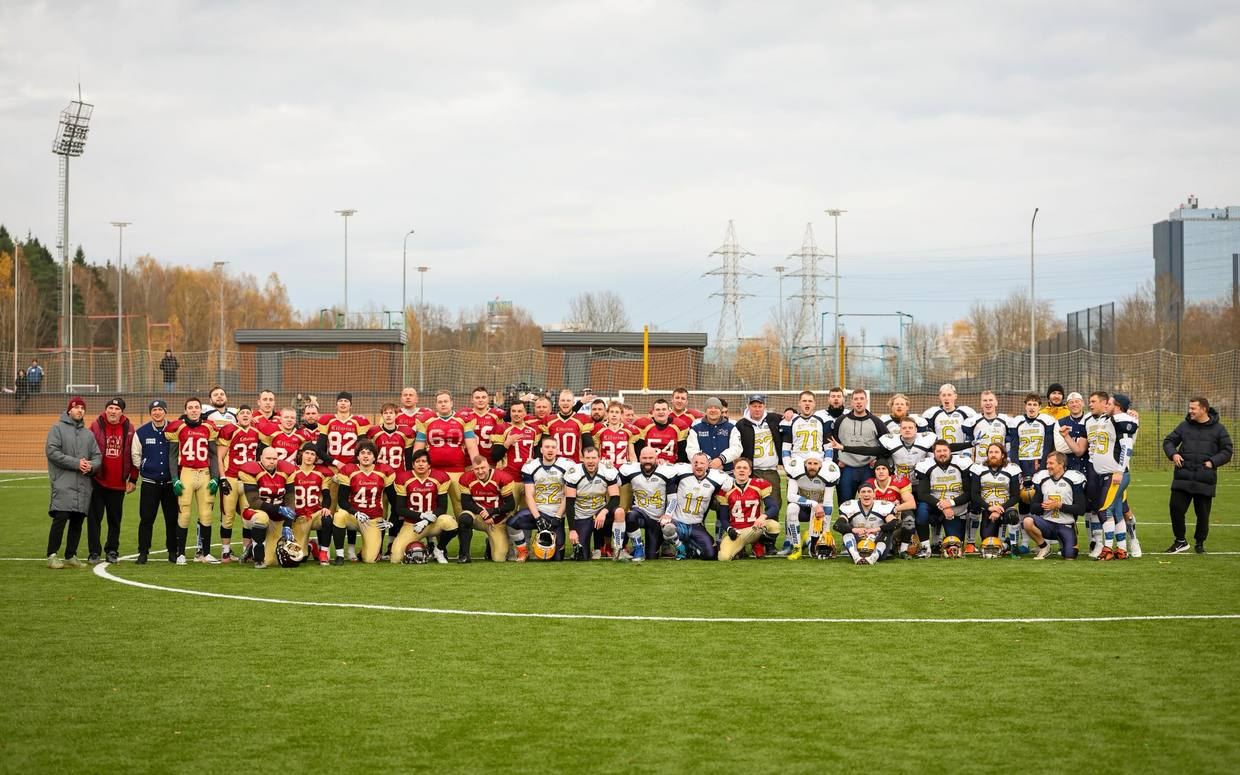
Ex-Zubrs player Yevhen is confident that the league will continue, “It got the attention of the media, even the national sports channel [Belarus 5] and the club will have more players because of it. You can’t just train and train without a chance of playing.”
A sports journalist with Belarus 5 was keen to point out that not being just a local league means something. “In the KHL [Kontinental Hockey League], the interest is high because Dinamo Minsk play Russia, Kazakhstan, it’s national pride. And American football is too. If they are beating Russian clubs, then we Belarusians are proud.”
-------------------------
What does American football look like in a country most Americans couldn’t find on a map?
Inside Belarus’s little-known gridiron scene, where players risk broken bones and spend their own money for a handful of games.Bison and Hurricanes are normal names for American football teams. How about the Litwins, though? Well, it’s normal if you happen to be in Belarus and in love with the real form of football. This July, the Litwins were crowned league champions after slaughtering the Bison 42-0 in the American Football League 9 Final. But just how is such a foreign sport surviving in a country that most Americans couldn’t find on a map?
Goodbye Lenin, Hello Uncle Sam
The country’s leading club, the Minsk Zubrs (Bison), were formed in 1991 and initially had to rely on competition outside the country. They became three-time champions of the CIS nations, champions of Ukraine, Baltic champions, and, finally, properly Belarusian champs having faced Belarusian opposition. The founders, who all came from other sports, formed a vibrant community in the Belarusian capital, proselytizing to show the newly independent nation that there was, according to an early recruiting slogan, a “better form of football.”The similarities between rugby and American football helped. Many players switched back and forth between the two, getting their fix for hitting people or being hit.
Rumors that the St. Petersburg Griffins and Moscow Dragons might join in 2027 persist, with a fourth club in Belarus also getting a chance to play. The resilient aficionados of American football are determined to not only keep the game alive, but to have it thrive, especially given the obstacles they’ve overcome. But they are less than a minority sport, they are a sport unknown by followers of the game in their own country.
“In Germany, where I lived [Frankfurt], there was an active [football] community and leagues. Europe has a lot of Americans who join in and coach. But here, we have to do our best. For those of us who lived outside and felt it, it gives us something to believe in and that we’re part of a big world. And those who love the game but don’t involve with us, it’s their loss.”
This May, on a warm Sunday afternoon, I was passing through Minsk and decided to take in the Hurricanes-Patriots game. The visitors from Moscow had a couple of familiar faces, ones I knew from playing rugby in Russia. On the go since 1999, they have been champions of Russia on at least 15 occasions and comport themselves like professionals.
Despite being formed just last year, the Hurricanes put on a show to thrill a decent home crowd, blowing away the Russians in 66-36. I asked some of the spectators what they thought. “It’s my first game live and I loved it. It makes [association] football look like little girls playing,” said Galina, a language student who was going to the US on an exchange program this past summer.
Speaking with some of the visiting players afterwards, I asked how difficult it’s been for them since 2022. Yuri, a versatility player who can play both ways, laughed and said that the game is what keeps him going some days.
“I played rugby and loved it. Then I moved [to Moscow from Siberia] and I joined the Patriots. That’s what, since 2018. It’s become like life. We meet on weekends to watch college ball or NFL, and we all like different teams and it’s very [democratic].”
I asked about the set-up in Minsk. “Hey, for the first time and a new club, they did a great job. It just needs time.”
What the future holds for gridiron in Belarus
The A9FL offers much needed hope. If they continue play in 2027, holding onto the four existing teams and adding one or two new ones, sponsors and media attention will continue.Ex-Zubrs player Yevhen is confident that the league will continue, “It got the attention of the media, even the national sports channel [Belarus 5] and the club will have more players because of it. You can’t just train and train without a chance of playing.”
A sports journalist with Belarus 5 was keen to point out that not being just a local league means something. “In the KHL [Kontinental Hockey League], the interest is high because Dinamo Minsk play Russia, Kazakhstan, it’s national pride. And American football is too. If they are beating Russian clubs, then we Belarusians are proud.”


