rsm
Well-known member
...and most of western Europe.They do dumber stuff in Brussels.
but that's why we have RT OT.


...and most of western Europe.They do dumber stuff in Brussels.

The best thing that could happen to Fender would be to settle on Thomann's terms tomorrow. The longer this persists the more billable hours accrue, and the more customers they lose. There is literally nothing they can gain by doing this. People who buy Shur and Anderson, or for that matter Edwards and Harley Benton, are not going to switch no matter what. They will just move on to another source of better, cheaper gutiars.even if they win, it will be challenged. The only winners are the law firms.
Still, I'd like to see a Fender win; I can imagine the response....the meltdowns will be epic and entertaining.
Agreed. I released an EPK in 2015. The person who printed the CD and artwork sold all my data to China and I found copies selling for $5 on ebay from Shanghai. It cost me around $5 per unit to make the CD so I'd definitely call that theft. I guess that's why they call it getting Shanghai'ed. I guess I could've reported it to ebay, and they would've taken the ad down, but the seller just creates another account and does it again, and again, and again so I couldn't protect it in actuality.
So assume the strat shape had just been made today. There would be a chinese company ripping it off and selling it on temu, and some TGP rejects would be defending that behavior. Communists never create, they only steal ideas from those who do.


you sound emotional, is it that time of the month? "corporations aren't people" - not what the US law says: corporations are considered "artificial legal persons" and have some rights.
who built what doesn't matter, who owns it does.
you don't buy a business to give away what you own. If you own the business you want to monetize and maximize the assets you own.
welcome to capitalism.

The only thing fender makes well is jackson
Welp, welcome to Indians replacing you and you paying their "reparations"

The only thing fender makes well is jackson
This but the Fender Ultra Luxe models aren't bad either....... Those things are nice but yes the Charvels are where it's at.I would say Charvel.
Remember that 23 fret Kelly? lmao
My old lady's mexican thinline tele is sweet!The only thing fender makes well is jackson

Can be. Making a better mouse trap, to use the phrase. But it doesn't need to be to be validated. Trolling like Fender stifles the innovation building on the strat along with the others just flat out copying.copying isn't original.
Nothing was taken. The idea for the guitar was not plucked out of the creator's head, nor were they deprived of any of their property. They still have all the guitars they made, or the money they got in exchange for them.copying original designs without permission of the creator is a form of stealing.
Leo Fender. Not FMIC. And nothing wrong with copying unless you agreed to not to.Fender created / invented these body shapes and designs. Many others copied them from Fender.
The Brad Paisley Sigs aren't bad eitherMy old lady's mexican thinline tele is sweet!


The funny thing is: Thomann is bigger than Fender.This is potentially-huge. I'll probably add this to the home page at the end of the week.
Here's the full article from Gearnews.com:
Article at Gearnews
Thomann Sues Fender: Music Retailer Goes on the Offensive in Stratocaster Dispute
World's Largest Music Retailer Stands Up for Countless Affected Guitar Makers
It’s official: Thomann sues Fender The world’s largest music retailer is firing back with a legal counterpunch against the wave of cease-and-desist letters the US guitar maker has been sending for weeks to manufacturers and retailers of S-style guitars across Europe and the US. With the lawsuit, Thomann says it’s standing up for its own brand Harley Benton, along with a whole string of other affected companies. Here’s the statement.
The Bottom Line
- Thomann has taken legal action against Fender
- The dispute is rooted in a default judgment from the Düsseldorf Regional Court in December 2025
- Since May 2026, Fender has been sending cease-and-desist letters to S-style guitar manufacturers and retailers through the law firm Bird & Bird
- Thomann’s own brand Harley Benton is caught up in the wave of letters too
- Thomann wants the copyright infringement claims settled in a proper court proceeding
- CEO Hans Thomann frames the move as a responsibility toward the entire industry
- Thomann is calling on Fender to stop the letters and return to a cooperative relationship
The Backstory: Weeks of Cease-and-Desist Letters
The whole thing traces back to a default judgment from the Düsseldorf Regional Court in December 2025. The court ruled at the time that the Stratocaster’s body shape counts as a copyrighted work of applied art. The defendant was a Chinese seller shipping nearly identical copies into Germany via AliExpress, who never even showed up in court.
Starting in May, Fender used that ruling as grounds to send cease-and-desist letters through the law firm Bird & Bird to manufacturers and retailers across Europe and the US. The demands included halting production and sales, recalling guitars already sold, and handing over customer and sales data. PRS and several smaller American luthiers have since publicly confirmed they received one of these letters.
Fender CEO Edward “Bud” Cole addressed the industry backlash publicly for the first time in mid-June, insisting the company wasn’t suing anyone, just reaching out to a handful of businesses. Now Thomann is upping the ante: Thomann is suing Fender, turning defense into offense.
A Shared History Going Back to 1954
1954 was a big year for both companies. Fender launched the Stratocaster that year, and Thomann was founded the same year. Fender instruments landed in Thomann’s catalog not long after, and they’ve stayed there ever since. Thomann says it’s carried the brand with genuine conviction for more than 70 years now, and plenty of Thomann employees play Fender guitars themselves.
That’s exactly why Thomann’s statement leans into the personal side of this fight. The company says it found Fender’s current approach toward longtime business partners surprising and disappointing, language that says a lot about how far this relationship goes beyond a simple buyer-seller arrangement.
Form Follows Function: The Core Argument
At the heart of the statement is a principle Thomann sums up as form follows function. The Stratocaster didn’t become successful purely because of its looks, the company argues, but because of its ergonomics. The upper horn balances the instrument, the cutaways make the upper frets easier to reach, and the body contours add comfort. All of that, Thomann says, was originally designed to give musicians the most functional instrument possible.
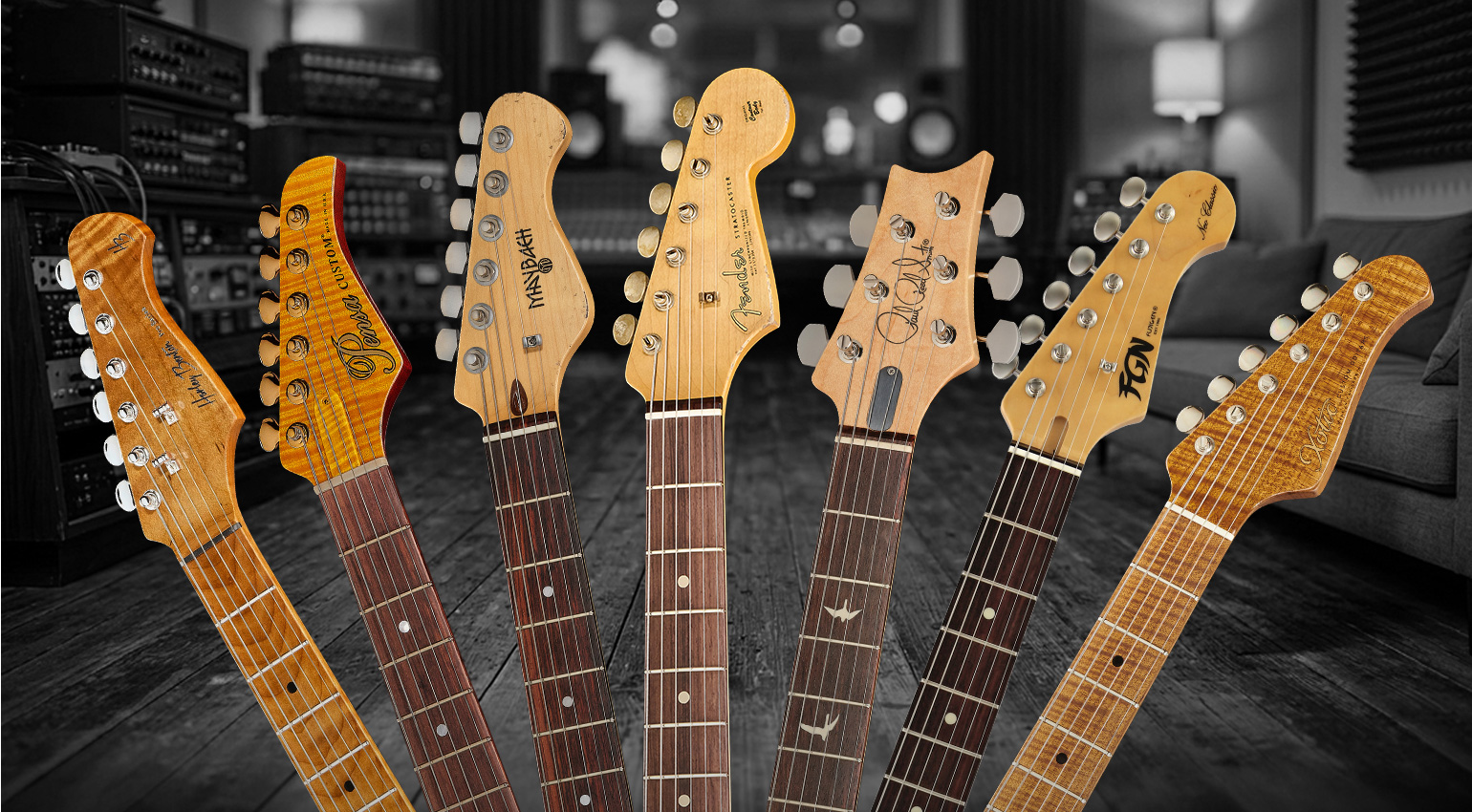
Thomann Sues Fender Over the Wave of Cease-and-Desist Letters Against S-Style Guitar Makers and Retailers · Source: Thomann
That functional logic, Thomann goes on, has made the shape a starting point for countless variations over the decades. Small workshops and established manufacturers alike have kept reinterpreting the S-style concept generation after generation. In the US itself, the shape has long been considered public domain.
As an example, Thomann points to Eddie Van Halen’s legendary Frankenstrat. That kind of free experimentation is exactly what gave rise to the SuperStrat, a development that still inspires guitarists and builders today, one Thomann says even Fender itself ultimately benefited from.
Why Thomann Is Acting Now
Thomann says the current escalation hits close to home, since its own Harley Benton brand is caught up in the wave of letters too. The company says it wants to keep offering customers the full range of the guitar world going forward. It’s experiencing the situation as both a retailer and a manufacturer at the same time.
Thomann is suing Fender for smaller manufacturers too, the ones who could never afford a legal fight like this on their own. The company explicitly says it wants the copyright infringement claims settled in a proper, neutral court proceeding where both sides get to make their case. The Düsseldorf ruling so far never went through an actual evidentiary hearing, a meaningful difference from a fully contested trial.
CEO Hans Thomann adds: “We used to be a small music store ourselves and know exactly where we have come from. Diversity, fairness and respectfully dealing with each other have always been part of our philosophy. Many of those affected do not have the financial and legal means to conduct such a legal dispute. We therefore see it as our responsibility to have this matter clarified in court not only for our own company, but for all parties involved.”
Thomann specifically names manufacturers outside its own catalog too. Custom shop brands and innovators like Tyler, Tom Anderson, Suhr, LSL, Maybach, Pensa, FGN, and PRS get cited as examples of a diverse guitar scene the company believes is now at risk because of how this is unfolding.
The Appeal to Fender
Thomann closes the statement with a direct appeal. The Stratocaster’s story, the company argues, was always written by musicians, builders, and manufacturers around the world, never by a single company. That diversity is exactly what Thomann sees as one of the industry’s biggest strengths.
Thomann says it plans to keep pursuing this legal path, for its own company as well as for the many manufacturers, retailers, and luthiers who’ve shaped the industry for decades. The company is calling on Fender to stop the cease-and-desist letters and get back to a cooperative relationship.
Bottom Line and My Take on “Thomann Sues Fender”
Thomann is suing Fender, and that pushes the fight over the Stratocaster’s shape into a whole new phase. Instead of individual cease-and-desist letters and public statements, there’s now an actual court case on the table, one where both sides will have to lay out their arguments. Thomann says there’s no formal coordination with other affected manufacturers or retailers, the company is acting on its own legal footing here. How Fender responds to this is obviously still up in the air for now. As always, we’ll keep you posted.
Whether Thomann actually moves the needle with this is hard to call right now, but it’s safe to say almost nobody in the industry is watching this one from the sidelines. Honestly, I wouldn’t be surprised if this case ends up answering some bigger questions, like how far shape protection in guitar building should really reach, or whether Fender ends up backing down completely. What’s your take? Drop a comment, we’re curious to hear how you see this one.


Welp, welcome to Indians replacing you and you paying their "reparations"

the original idea / design / creation isn't the copiers. making changes to the original designs is a derivative which is still a form of cpying.Can be. Making a better mouse trap, to use the phrase. But it doesn't need to be to be validated. Trolling like Fender stifles the innovation building on the strat along with the others just flat out copying.
If Fender legally owned the rights to their original design, they'd be able to monetize and defend it. The fact that Fender can't legally monetize or defend their original design does not change the fact that they created the original design, or that anyone who copies or makes derivatives is using Fender's original creations / designsNothing was taken. The idea for the guitar was not plucked out of the creator's head, nor were they deprived of any of their property. They still have all the guitars they made, or the money they got in exchange for them.
Leo Fender. Not FMIC. And nothing wrong with copying unless you agreed to not to.

That's just an Italian playing dress-up. It doesn't count.


That's really the end of the discussion. Leo could have trademarked it, he didn't and thus why we are here. Fender lost this case in 2009 because form and function of the Strat over time had become generic, they'll lose again. End of the day Leo should have trademarked it, he didn't for whatever reason, some of which have been mentioned.Fender knew how trademark law worked when they spent decades ignoring people building and selling copies.